


Nostalgia confectionery trend overview
- Nostalgia drives confectionery sales through emotional connection, comfort and escapism
- Familiar flavours and packaging reconnect consumers with cherished childhood memories
- Baby Boomers, Gen X, Millennials and Gen Z engage differently with nostalgia but fuel demand
- Social media accelerates product rediscovery, engagement and purchasing behaviour
- Brands increasingly blend heritage appeal with modern consumer expectations
Nostalgia is confectionery’s megatrend.
From retro flavours to original wrappers, consumers can’t get enough of the sweet treats of their past. And brands are more than happy to oblige.
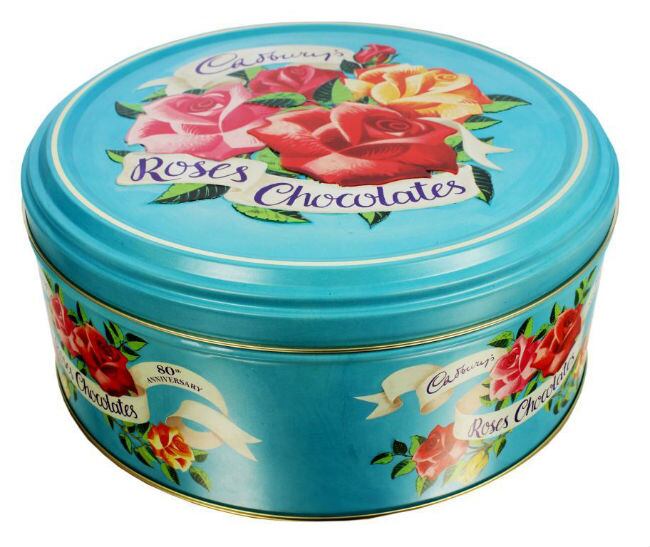
Whether it’s Mondelēz International reviving Cadbury’s heritage branding, Nestlé reintroducing Rowntree’s retro sweets, or Mars, Inc. bringing back the mighty Marathon (Snickers’ predecessor).
“Nostalgia is increasingly becoming a recurring part of confectionery innovation,” says Mohammed Nadeem Hussain, lead analyst at industry analysts Mordor Intelligence.
So, why does nostalgia continue to dominate when so many other trends disappear?
The answer, says Hussain, is emotional connection.
Nostalgia’s emotional strength
Taste, smell, and product appearance all have the ability to trigger memories of childhood, family occasions, school days, holidays and other significant moments in a person’s life. In a category already closely associated with pleasure and reward, those memories create a strong bond between the consumer and the brand they’re buying.
What’s more, nostalgia delivers a mood boost that can keep consumers coming back, as they chase that feeling again and again.
Comfort and escapism also help explain the trend’s enduring appeal, as familiar brands and products can offer a sense of reassurance and predictability during times of uncertainty.
But nostalgia’s far from a one-size-fits-all phenomenon. While the emotional pull remains consistent, the memories, products and cultural references that trigger it vary significantly from one generation to the next.
Nostalgia’s generational appeal
Baby Boomers (1946-1964): Often overlooked in discussions around nostalgia marketing, Boomers remain an important audience for confectionery brands. For this generation, nostalgia purchases are often driven by comfort, familiarity and long-standing brand loyalty. Heritage brands, classic recipes and traditional formats can evoke memories of family traditions and childhood treats, while their relatively high spending power makes them an attractive target for manufacturers.
Gen X (1965-1980): Have a strong relationship with established confectionery brands. For this generation, nostalgia is often tied to heritage and authenticity. Original recipes, anniversary editions and faithful reproductions of classic packaging can be particularly effective as they reinforce the longevity and trustworthiness of a brand.
Millennials (1981-1996): Arguably the generation driving nostalgia’s resurgence, Millennials have a deeply personal connection with many of the confectionery brands now being revived. Products that dominated supermarket shelves in the 1990s and early 2000s can trigger powerful memories of childhood, with discontinued chocolate bars, familiar sweet flavours and retro packaging creating an immediate emotional pull.
Gen Z (1997-2012): While older generations use confectionery to revisit fond memories, Gen Z is often discovering those memories for the first time. Retro aesthetics, unusual formats and social media-fuelled trends have transformed many classic confectionery brands into objects of curiosity and cultural cachet. As a result, the very products that evoke nostalgia for older consumers can feel fresh, exciting and entirely new to younger shoppers.
Gen A and B: It’s too early to tell what relationship these younger generations will have with nostalgia, but the foundations are already being laid as social media, online communities and digital content expose them to brands and products that predate their own experiences.
Nostalgia and social media
“Social media has significantly accelerated nostalgia confectionery,” says Hussain.
Products that disappeared from shelves years, or even decades, ago can suddenly find themselves back in the spotlight thanks to videos, old photographs and conversations about favourite childhood treats.
A single post reminiscing about a discontinued chocolate bar or much-loved sweet can spark thousands of comments from consumers eager to share their own memories.
TikTok has been particularly influential in bringing nostalgic products to new audiences, with retro confectionery reaction videos proving especially clickworthy. Meanwhile, Instagram has become a showcase for heritage packaging and marketing designs.
At the same time, it’s become an invaluable source of consumer insight for brands, as it helps identify which products, flavours and pack designs still resonate with shoppers.
Those insights are not only shaping which products are brought back, but also influencing how nostalgia itself is evolving, as brands look to balance familiar cues with changing consumer preferences.

Nostalgia’s next phase
Nostalgia’s place in the confectionery sector is likely to become more nuanced as it evolves, says Hussain.
Rather than simply recreating old favourites time and again, manufacturers are expected to blend familiar flavours, pack designs and brand cues with modern formats, ingredients and consumer expectations.
In other words, the future of nostalgia may be less about faithfully reproducing the past and more about reinterpreting it for the next generation.
“This combination of familiarity and novelty is important to the long-term development of the trend,” says Hussain.
And brands, he says, will need to keep an eye on the shifting nature of nostalgia itself. As Millennials and older Gen Z consumers gain spending power, the products, trends and cultural references of the late 1990s and 2000s are set to become increasingly influential.
Another area to watch is the growth of better-for-you innovation. Consumers may crave the taste, memories and emotional familiarity associated with a favourite childhood treat, but they’re also becoming more conscious of ingredients, portion sizes and nutritional value. As a result, brands will need to strike a delicate balance between preserving the joy of the original while adapting to modern consumer preferences.
Successfully balancing nostalgia with evolving consumer expectations will determine whether the trend continues to thrive in the years ahead.


