


Extreme fricy drinks: Overview
- Fruity heat flavours such as mango and chilli are gaining traction as consumers seek more adventurous and multi-sensory drinking experiences
- Brands including Jamaica Rum Vibes, TENZING and Kazimo Mixers are using sweet-and-spicy combinations to stand out in crowded drinks categories
- The trend is rooted in flavour science, with fruit aromas and sweetness balancing the heat sensation created by capsaicin in chilli peppers
- Growing familiarity with products such as spicy margaritas and hot honey is helping drive consumer acceptance of fruity-spicy beverages
- Future opportunities lie in authentic fruit-and-spice pairings that deliver novelty while remaining approachable, balanced and enjoyable to drink
Spicy flavours are finding their way into an increasingly diverse range of beverages, as brands look beyond traditional sweet profiles to offer consumers something more adventurous.
From mango and chilli to tropical fruits paired with a fiery kick, the combination of sweetness and heat is creating new opportunities for drinks innovation.
Dubbed ‘fricy’ − a blend of fruity and spicy, according to the Collins Dictionary – the trend is gaining attention in the drinks industry, with Jamaica Rum Vibes among the brands exploring its potential through its Sweetheat Mango rum punch.
But what’s behind the growing appetite for fruity heat, and where could the trend go next?
Consumers want more adventurous flavours

Speaking on the Beverage Innovation webinar, Alex Beckett, principal strategist at Mintel, highlighted ‘fruity heat’ as a flavour to watch, particularly mango and chilli.
“I’m seeing more coming through with fruity heats. Some people call it fricy – the fruity spicy. I’m not going to use that word, but it’s that idea of tropical with heat coming from the chilli, for example.”
Beckett pointed to Tajín in the US as an example of how this trend is gaining ground. The seasoning brand has expanded its range to include products such as Tajín Twist Tropical Crush and Tajín Twist Chamoy Sauce, which can be used on fruit, drinks and treats. It has also introduced the Tajín Twist Rimmer, a dedicated sweet-and-spicy glass rimmer.
Others tapping into the trend include Kazimo Mixers, with its Spicy Watermelon soft drink containing habanero extract, and natural energy drink brand Tenzing, which previously launched its Fiery Mango flavour, containing 250mg of ginger and 160mg of cayenne pepper.
Inspired by street food cultures around the world, the flavour combination creates a more exciting drinking experience, Beckett says, particularly for non-alcoholic beverages. Sweet, spicy and sour notes, alongside other more challenging flavours, create an element of surprise for consumers.
Why fruit and chilli?

While some trends are driven by novelty, there is a science behind why fruity heat combinations work so well.
According to Dr Ni Yang, there are three elements to how we experience flavour: aroma, taste and trigeminal sensation. The latter is particularly important when it comes to spicy flavours, as it involves nerves connected to the eyes, nose and tongue that send signals to the brain when we consume chilli or fizzy drinks. This is what causes sensations such as watering eyes or a tingling tongue.
Chilli contains a compound called capsaicin, which activates receptors in the mouth that respond to temperature and pain. These receptors send signals to the brain, creating the sensation of heat, even though the chilli isn’t physically raising the temperature in your mouth.
But it’s the combination of these different sensory experiences that makes the pairing interesting. Fruit brings its own mix of volatile compounds, which create distinctive aromas that help the brain identify different fruits, alongside sugars that dissolve in saliva and are detected by the tongue.
Bringing the two together creates a more complex, multi-sensory experience, with the fruit’s sweetness and aroma playing against the chilli’s heat.
And it’s this contrast that is helping to drive consumer interest in sweet-and-spicy combinations. Tamoy Carter, founder of Jamaica Rum Vibes, says people are becoming “curious” about what they drink.
“There’s something particularly enjoyable about the contrast between sweetness and spice. You get that initial fruity sweetness, followed by a warmth that adds another dimension to the drink,” he says.
He points to the popularity of spicy margaritas and hot honey as examples of how consumers are becoming more accustomed to sweet-and-spicy combinations.
A taste of Jamaica
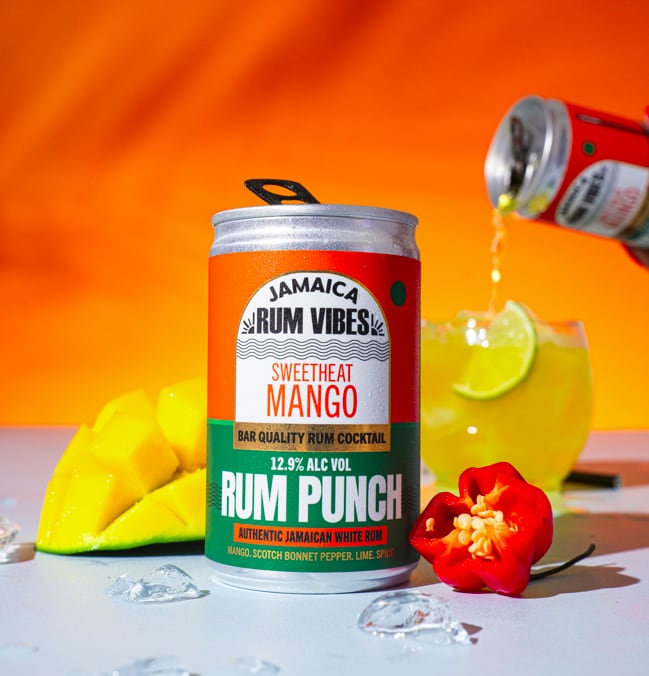
For Jamaica Rum Vibes, the trend has a distinctly personal inspiration, with Carter drawing on the flavours and culinary traditions of his Jamaican heritage to create the brand’s Sweetheat Mango rum punch.
“Mango, Scotch bonnet and lime felt like a natural combination because they’re flavours that are already familiar across the Caribbean,” he says. “Mango brings that tropical sweetness, lime adds a refreshing sharpness, and Scotch bonnet gives it a distinctive warmth.”
But using Scotch bonnet wasn’t simply another way to jump on the trend. Rather, it was a “natural choice” because of its status as an iconic ingredient in Jamaican cooking.
That said, it presented an interesting formulation challenge, given that Scotch bonnet measures between 100,000 and 350,000 Scoville Heat Units (SHU). For comparison, a jalapeño typically measures 2,500 to 8,000 SHU, while cayenne pepper ranges from 30,000 to 50,000 SHU.
Getting the balance right was therefore crucial, with Jamaica Rum Vibes aiming to deliver a gentle warmth without allowing the pepper to overpower the mango flavour.
“It’s about enjoying the heat, not being overwhelmed by it,” he says.
What’s next for spicy drinks?

Looking ahead, mango and chilli may be among the more prominent fruit and spice combinations currently appearing in drinks, but there is plenty of scope for brands to experiment with other pairings.
Pineapple and jalapeño, watermelon and habanero or passion fruit and ginger could offer new ways to bring together tropical sweetness and a spicy kick, opening up further opportunities for flavour innovation.
“Fruit gives people something familiar, while the addition of spice introduces an element of surprise. I think that’s part of what makes fruity heat so appealing and gives it real potential across the drinks industry,” says Carter.
For Jamaica Rum Vibes, this also presents an opportunity to showcase more of the flavours found in Caribbean culture, with plenty of combinations yet to be explored in the drinks space.
However, for the trend to have staying power, brands need to offer something different without compromising on taste or authenticity.
“The key is to create something that feels different but is still approachable and, above all, enjoyable to drink,” Carter adds.


