


What psychology reveals about snack buying
- Feeling that a treat has been earned can influence its appeal and give brands a role in everyday reward occasions.
- Anticipation, ritual and participation can attract fresh interest in familiar products without changing the recipe.
- Marketing should build desire while keeping products easy to find and buy on impulse.
- Campaign success depends on additional purchases and profitable growth rather than attention alone.
Seasonal marketing gives brands permission to indulge in a little madness, but persuading consumers that a familiar treat deserves another purchase takes more than theatrical packaging. Nobody really needs a biscuit shaped like a bat, yet sharing it, joining a celebration or enjoying a small reward can make it appealing. Understanding those motives gives brand owners more to work with than another seasonal flavour.
The National Confectioners Association (NCA) reports that Valentine’s Day, Easter, Halloween and the winter holidays account for 64% of annual US chocolate and candy sales, demonstrating how heavily purchases depend on these occasions. Its research found that 89% of consumers liked products reflecting a holiday through flavours, shapes, characters or packaging, while 84% said limited-time offerings encouraged purchases before they disappeared.
With Halloween approaching, brands are competing for consumers who appear cautious about increasing their budgets this year. The US National Retail Federation (NRF) expects Americans to spend $13.5bn on Halloween in 2026, including $4.1bn on confectionery, but anticipated spending per person rises by just 69 cents, from $114.45 in 2025 to $115.14. Brands have limited room to grow simply by persuading each shopper to spend more.
“Halloween is a night of frictions, effort and the sweet sense of reward that makes indulgence feel earned,” says Allison Arling-Giorgi, head of brand at behavioural science-led agency Method1. Choosing costumes, anticipating trick-or-treating and sorting the haul make familiar products part of an experience people look forward to. Her observation gives brand owners a useful starting point for reaching beyond the seasonal rush: identifying what consumers find rewarding about buying and eating their products, and how to make that experience worth repeating.
Why the reward starts before the first bite

Method1’s State of Indulgence 2026 report found that 51% of US respondents considered it highly important that an indulgence felt earned, while 45% were more permissive about indulging than a year earlier. Sweet treats were the primary indulgence for 48% of respondents.
A biscuit eaten after a difficult shift carries different expectations from the same biscuit passed around at a party. One purchase might provide a private reward, while the other contributes to a shared occasion. Portion size, price, packaging and placement need to reflect how people expect to enjoy the product.
Plastering ‘you deserve it’ across a packet won’t establish that connection by itself. A product must deliver something appropriate to the occasion, whether that’s a satisfying individual portion, an easy sharing format or an activity that makes serving it more entertaining.
Emotional attachment also gives brands room to make the familiar compelling. Pringles, for example, ran a standout Halloween campaign with ‘Once You Drop’, inviting fans to sign a ‘will and taste-ament’ pledging to be buried in a Pringles can. The prize was a can-shaped urn and what the brand described as an ‘afterlifetime’ supply equivalent to 200 years of crisps.
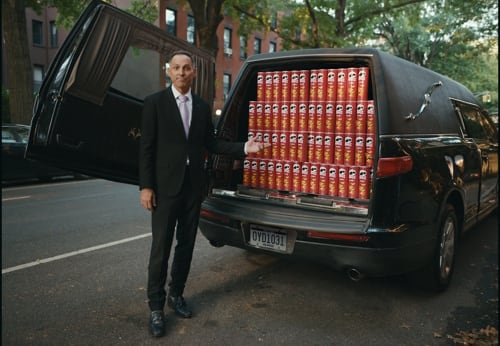
The campaign drew on the story of the Pringles can’s inventor, whose ashes were partly buried in one in 2008. Its dark humour builds on an immediately recognisable pack and an exaggerated expression of loyalty, making the product central to the entertainment without requiring a new flavour or production line.
That doesn’t mean every producer need to commission funeral accessories. A distinctive shape, serving habit or pack could provide material for participation, provided the activity gives people a reason to try the product rather than simply admire the advertising.
How much novelty will consumers swallow?
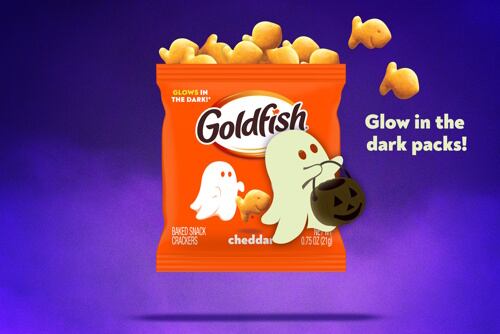
This year’s Halloween activity shows how differently companies can approach that task. Alongside the dark humour of Kellanova’s Pringles campaign, Campbell’s has brought back Goldfish snack bags that glow in the dark after at least a minute in direct sunlight, adding entertainment to familiar cheese crackers for parties and trick-or-treating.
Meanwhile, US bakery chain Crumbl, which has outlets across all 50 US states, Canada and Puerto Rico, has added Halloween Sprinkle Cake and Halloween Red Velvet cookies to its Halloween week menu, plus a Dirt Cake Cookie finished with a gummy worm. Its weekly rotating menu creates a recurring reason to check what’s available.
Mars has taken a different route with Twix’s second year of ‘Hallowmas’, combining Halloween and Christmas through its Zombie Claus character. A competition offering $20,000 in prizes invites fans to submit photographs and videos interpreting the festive mashup, while new Twix Skulls join returning seasonal products. Participation connects to the brand’s ‘Two Is More Than One’ positioning.

These campaigns span multiple categories but share an approach: giving consumers something to anticipate, share or participate in around a recognisable product. Their value depends on whether that interest brings additional buyers or shifts purchases away from the regular range, particularly when seasonal versions add costs.
Consumers also need to be able to buy on impulse, even when the marketing builds anticipation. Method1 found that 72% of respondents whose primary indulgence was sweet treats indulged spontaneously. A campaign might encourage people to follow a reveal or enter a competition, but purchasing the snack shouldn’t depend on their willingness to participate.
“It’s a useful reminder for marketers that not every friction needs to be eliminated,” says Arling-Giorgi. Waiting for a weekly menu can contribute to the enjoyment; struggling to find stock or navigate a complicated promotion can waste the desire it creates.
Affordability deserves equal attention: 89% of consumers in NCA’s research considered seasonal chocolate and candy an affordable component of holiday celebrations. Additional packaging, ingredients and promotional costs still need to produce a price shoppers will accept.
Earning a place in that budget is only the beginning. Brand owners also need to establish whether seasonal activity attracts new buyers, encourages another purchase or makes a product relevant to more occasions. NCA’s findings that consumers are bringing treats to Friendsgiving and game-day gatherings suggest there are occasions to explore beyond the established holiday calendar.
Halloween gives brands permission to be outrageous, but every campaign still has to sell the snack. If shoppers remember the stunt and buy a competitor’s product, the brand has paid to host somebody else’s party.
Seasonal marketing dos and don’ts
1. Start with the occasion. Decide whether the product is for sharing, gifting, handing out or enjoying alone, then match the portion and pack.
2. Give novelty a job. A shape, decoration or interactive pack should improve recognition, participation or enjoyment enough to justify its cost.
3. Keep buying straightforward. Let consumers enjoy competitions and reveals without making participation a condition of purchasing the product.
4. Don’t count every seasonal sale as growth. Check whether the launch attracts additional purchases or takes sales from the regular range.
5. Measure what’s left after Halloween. Account for promotional spending, production changes, markdowns and unsold stock before declaring the campaign a success.

