

Who has the power to influence food and drink on a global scale? Who, with the click of a button or a simple comment can send stock – financial and commodities – rising or plummeting.
FoodNavigator’s inaugural list of global food and drink industry movers and shakers answers just that. Here we feature the people helping to determine what the world eats and drinks.
From the corporate boardroom to the innovating small business, they can influence everything from food security, supply chains and public health to product innovation, climate action and consumer trends.
But this is not a ranking. Selections are based on each individual’s ability to influence food and drink systems globally. They represent the people that FoodNavigator consider are having the biggest impact on the future direction of food and drink.
Amanda Davies, chief R&D, procurement and sustainability officer, Mars Snacking

Why: Davies is a senior leader shaping innovation and sustainability inside one of the world’s most influential food companies.
Few executives have as much influence over the future of food than Amanda Davies. Her remit spans innovation, sourcing, procurement and sustainability across Mars Snacking’s global portfolio.
Davies works for Mars, the maker of iconic brands including M&Ms, Snickers, Pringles, and Skittles. Her role connects the business to ensure an integrated approach to sustainable growth while reducing carbon emissions.
At Mars Snacking, she oversees one of the world’s most important snacking portfolios while helping to steer the business through issues of cocoa supply, climate change, reformulation, consumer trust and responsible growth.
Philipp Navratil, CEO, Nestlé SA

Why: Nestlé remains the global food industry’s leading bellwether, and its CEO belongs on any serious power list.
Nestlé’s scale as a business touches everything from coffee, dairy, infant nutrition, confectionery, petcare, water, medical nutrition and plant-based foods.
As CEO, Philipp Navratil’s strategic decisions ripple across almost every major food and drink category globally.
Navratil became Nestlé’s CEO in September 2025, stepping up from his previous role as Nespresso CEO. He has taken charge during a period when the company faces pressure around health, affordability, UPFs, sustainability and growth in emerging markets.
Having spent more than two decades with Nestlé in leadership roles across multiple regions, he brings deep market expertise and a proven track record of delivering results.
Ramón Laguarta, CEO, PepsiCo

Why: He leads one of the few companies shaping the global food and beverage agenda
Ramón Laguarta leads a business with significant influence in both snacks and drinks.
PepsiCo’s strategy shapes conversations around sugar reduction, functional beverages, sports nutrition, portion control, packaging, convenience and emerging-market snacking.
Laguarta centres PepsiCo’s growth strategy on three pillars: portfolio transformation, international expansion and capturing new consumption occasions.
He is also leading an ambitious transformation of the company’s portfolio, with a focus on reducing sugar, sodium, and artificial colours and flavours.
James Quincey, executive chairman, The Coca-Cola Company

Why: Coca-Cola’s distribution, marketing and category power make Quincey one of the most influential figures in global drinks.
As executive chairman of Coca-Cola, Quincey continues to influence strategy at one of the world’s most powerful beverage businesses.
His leadership has helped move the business beyond its traditional carbonated soft drinks extending its reach across hydration, low/no sugar, coffee, juices, sports drinks and packaging innovation.
Quincey became CEO in 2017 and Chairman of the board in 2019, after joining the company in 1996. Throughout his career he has held senior leadership positions across multiple international markets, giving him a deep understanding of Coca-Cola’s global operations.
He also played a pivotal role in the creation of Coca-Cola Europacific Partners, now one of the world’s largest independent Coca-Cola bottlers.
Antoine de Saint-Affrique, CEO, Danone

Why: He represents the growing convergence of nutrition, health, sustainability and food innovation.
Danone sits at the junction of dairy, plant-based, infant nutrition, water, medical nutrition and gut health.
De Saint-Affrique is steering a business tasked to prove health-led food can still deliver growth, margin and relevance in intensely competitive global markets.
Since becoming CEO in September 2021, he has been widely credited with stabilising the company and refocusing it on sustainable growth. Recent results are a testament to his leadership with strong growth driven by essential dairy and plant-based products, high protein ranges and specialised nutrition.
He led the company through the major acquisition of Huel, as part of the dairy giant’s ‘Renew Danone Strategy’ aimed at strengthening its presence in functional nutrition.
Dirk Van de Put, chair and CEO, Mondelēz International

Why: He leads a snacking giant operating at the crossroads of health, indulgence and sustainability.
Mondelēz International is one of the companies defining the global snacking category.
Van de Put, who became CEO in 2017, leads a business navigating debates around indulgence, pricing, packaging, portion sizes, cocoa sourcing, emerging-market consumption and the resilience of impulse categories.
With obesity and affordability both major pressures, Mondelēz is right in the firing line of the next phase of snacking.
Under Van de Put’s leadership, Mondelēz has pursued key acquisitions while premiumising its portfolio, focusing on local brands and expanding distribution.
His also serves as chairman of brewer AB In Bev.
Zhong Shanshan, founder and chairman, Nongfu Spring

Why: He brings Chinese beverage influence, bottled water leadership and Asian consumer market power to the list.
Zhong Shanshan founded Nongfu Spring in 1996, building it into China’s largest packaged water supplier.
Under his leadership the company has maintained its focus on natural-sourced water while expanding significantly beyond its core category into juice, tea and coffee. This diversification has helped transform Nongfu Spring into one of China’s most influential beverage businesses.
The company’s success demonstrates the strength of domestic beverage champions in huge consumer markets, particularly in categories linked to health and premiumisation. Shanshan’s influence also reflects the growing importance of Chinese consumer behaviour to the global food and drink industry.
Rafael Oliveira, CEO, Heineken
Why: As attitudes towards alcohol change, Oliveira’s leadership will help shape how one of the world’s largest brewers responds to moderation, low/no alcohol and premiumisation trends.
Heineken is a global brewing powerhouse navigating with some of the biggest shifts in alcohol consumption in a generation. Issues such as moderation, premiumisation, low/no alcohol, changing social habits and sustainability are just some of them.
Oliveira was only announced as the new CEO in June 2026, taking charge at a pivotal moment for the global beer industry. His leadership matters as beer companies face a changing world in consumer drinking habits.
Over a career spanning more than two decades, he has built a reputation for transformative leadership and managing major international consumer businesses.
Brian Sikes, board chair and CEO, Cargill

Why: He brings the supply-chain and commodities power that consumer brand-heavy lists often miss.
Cargill may be less consumer-facing than many names here, but arguably more systemically important.
Its reach across grain, oilseeds, animal nutrition, cocoa, meat, trading and agricultural supply chains makes it one of the companies most deeply embedded in the global food system.
As the largest privately-owned company in the US, it plays a critical role in leveraging its global footprint to modernise how food is produced and delivered.
Sikes joined the company in 1991 and was elected to serve as Board chair in January 2024. Throughout his three decades with the company, he has been a passionate advocate for workers on the front lines of the food system.
Under his leadership he is transforming the company to help farmers, customers and communities grow through stronger supply chains.
Luke J Lindberg, executive director, UN World Food Programme
Why: Food power is not only commercial; hunger, aid and resilience need representation.
Food industry influence extends beyond the private sector.
As executive director of the UN World Food Programme, Luke J. Lindberg will lead the world’s largest humanitarian organisation tackling hunger and food insecurity.
The World Food Programme operates where food systems fail and intervenes to help in conflict, hunger, climate shocks, displacement and emergency nutrition.
His inclusion broadens the list beyond industry influence into humanitarian impact and global food access.
Lindberg brings significant experience and currently working as Under Secretary for Trade and Foreign Agricultural Affairs at the United States Department of Agriculture (USDA).
In this new role he will have the opportunity to make real change and continue the UN’s work on the front lines assisting more than 100 million people, across 83 countries.
Dr Nikolaus Kriz, executive director, European Food Safety Authority (EFSA)

Why: He represents the regulatory influence that increasingly shapes food innovation and market access.
Dr Nikolaus Kriz is not a household name, which is precisely why he deserves a place on this list.
EFSA’s work on food safety, novel foods, health claims, additives and risk assessment has huge consequences for what companies can launch, claim and scale across Europe. For food tech, functional ingredients and alternative proteins, regulatory gatekeepers are as influential as CEOs.
A veterinary surgeon by training with over 30 years of professional experience, his career spans general veterinary practice, veterinary clinics and academia across four continents.
He previously held senior positions at the European Medicines Agency and served the past eight years at EFSA, as Head of Unit for Animal Health and Welfare and Plant Health, before taking over as Head of Risk Assessment Services.
Dr Walter Willett, professor of epidemiology and nutrition, Harvard TH Chan School of Public Health

Why: He brings scientific authority and public health pressure into the industry conversation.
Dr Walter Willett remains one of the most influential nutrition scientists in the world.
His work has shaped thinking on diet, chronic disease, sustainability and public health, all of which feed into food industry strategy. He is one of most cited nutritional scientists and the pioneer who helped create the field of nutritional epidemiology.
Willett’s work has identified major lifestyle risk factors connecting specific food choices to heart disease, diabetes, and cancer. He famously challenged official low-fat dietary guidelines by highlighting the importance of healthy fats.
Uma Valeti MD, co-founder, Upside Foods

Why added: He gives the list a credible cultivated meat voice and long-term food-tech edge.
Valeti is one of cultivated meat’s most recognisable pioneers.
A cardiologist by training he has focused on advancing the commercial viability of meat produced directly from red meat cells. His work puts him at the forefront of one of the food industry’s most ambitious technological frontiers.
California-based Upside Foods represents the promise and difficulty of a sector trying to rethink meat production itself. Even if cellular agriculture remains a long-term play, it has already forced food companies, regulators and investors to think differently about protein.
Under Valeti’s leadership Upside Foods has secured regulatory approvals and began introducing cultivated meat products into some US restaurants. The company is working to scale up production.
Laura Katz, founder and CEO, Helaina
Why: A founder in a frontier area that could reshape functional nutrition and ingredient innovation.
Laura Katz is a strong wildcard pick because she represents precision fermentation and the convergence of food, biotech and health.
She is a food scientist who has been featured in Forbes’ 30 Under 30 for her work in redefining the future of nutrition.
Helaina focuses on bioactive proteins and human-identical milk components, placing it in one of the most commercially interesting corners of food tech as consumers look for functionality with real nutritional credibility.
Under her leadership, Helaina secured a major partnership with food giant Nestlé to commercialise infant nutrition advancement.
Lou Cooperhouse, co-founder, president and CEO, BlueNalu
Why: An important figure broadening the alternative protein lens into seafood.
Lou Cooperhouse adds alternative seafood to the list.
He is the boss of the BlueNalu, the San Diego-based cellular aquaculture company, that produces cell-cultured seafood directly from fish cells. While cellular seafood may still be early-stage, the long-term opportunities are significant.
BlueNalu’s work addresses issues including overfishing, supply volatility, mercury concerns, seafood fraud and traceability. It is a company that is making waves and already has some serious financial backing.
Cooperhouse is widely regarded as a food innovator and with four decades of leadership experience he has consistently driven growth and transformation across the food industry.
Becca Millstein, CEO and co-founder, Fishwife

Why: She represents modern challenger-brand innovation and the premiumisation of overlooked food categories.
Becca Millstein adds a good challenger-brand addition to the list.
Through Fishwife she has helped make tinned fish culturally relevant again, connecting premium seafood, design-led branding, convenience, protein and social media-era food culture.
The brand emphasises responsible sourcing with a real focus on quality, flavour and sustainability.
Her influence may be smaller than the big corporate CEOs, but she carries a significant cultural impact.
Nona Lim, co-founder, :Included
Why: Brings an inclusion-focused founder voice and strengthens diversity beyond corporate leadership.
Nona Lim is included not simply as a food entrepreneur, but as someone working around representation, inclusion and access in the food entrepreneurial ecosystem.
That matters because who gets funded and mentored will be those that create the products and communities that shape the future of food.
Lim has strong credentials in the food space creating her own healthy Asian food brand Nona Lim before selling it to DayDayCook.
In 2020, she co-founded non-profit organisation :Included to support food and beverage entrepreneurs and create opportunities for underrepresented founders to thrive and contribute to the industry.
Marc Busain, chief executive, Lipton Teas & Infusions
Why: He adds beverage expertise and leadership in a category closely tied to wellness and changing consumer habits.
Busain brings leadership from a beverage category that is often underestimated despite its global scale. Tea is increasingly tied to wellness, hydration, low/no sugar and functional benefits.
Lipton’s scale gives Busain influence in both mainstream and health-led beverage consumption.
He has extensive global experience in the consumer-packaged goods sector and brings extensive drinks industry experience. He previously held senior roles at brewer Heineken, where he oversaw premiumisation and the fast expansion of non-alcoholic new drinking occasions.
Ayodele Musibau Abioye, managing director, BUA Foods
Why: Represents African manufacturing capability and highlights Nigeria’s growing importance as a global food market.
Ayodele Musibau Abioye provides vital representation to Africa’s food manufacturing sector. BUA Foods sits in a market with huge population, food security pressures and rising demand for branded staples.
Nigeria’s scale means leaders building domestic food manufacturing capacity deserve more global attention. The leading food business produces BUA Sugar, Rice; IRS flour, Semolina, Pasta and edible oils, making it a major player in consumer nutrition.
Since joining the business in 2021 he has led growth which has seen it become a leading entity in the Nigerian and African food sector. He is recognised as a results-driven leader with proven expertise in operations, manufacturing, supply chain management and business development.
Pieter Engelbrecht, CEO, Shoprite Holdings

Why: He adds African retail influence and a crucial consumer access perspective.
Pieter Engelbrecht brings retail power into the mix.
Shoprite’s influence across Africa gives it major relevance in affordability, private label, supply chains, sourcing and access to everyday food.
The Shoprite Group is the largest South African retailer by market capitalisation, sales, profit, employees and customers, with operations spanning eight African countries.
Since his appointment as CEO in January 2017 Engelbrecht has been recognised as the driving force behind the thinking and effective execution that has led to the Shoprite Group becoming Africa’s most successful food retailer.
His leadership has been characterised by his drive to deliver on the vision of Shoprite being Africa’s most profitable omnichannel retailer.
Salmeen Alameri, managing director and CEO, Agthia Group
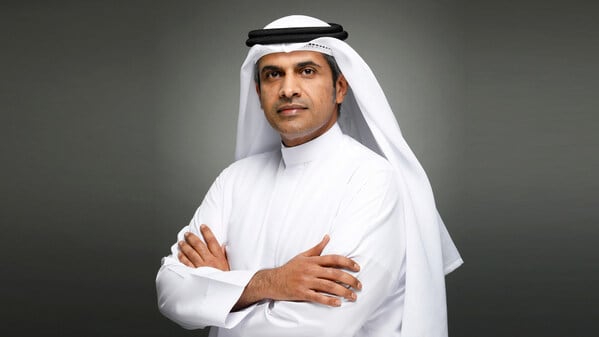
Why: Brings a Middle Eastern food and drink perspective that many global lists overlook.
Salmeen Alameri brings Middle East representation and reflects the rising strategic importance of Gulf-based food groups.
Agthia spans water, snacks, beverages, protein and packaged foods, making it part of a wider regional story around food security, consolidation, consumer brands and international growth ambitions. It is a leading leading F&B company headquartered in Abu Dhabi, operating in seven countries and with exports to around 60 markets.
Alameri is spearheading the group’s transformation and growth journey, driving strategic expansion, portfolio optimisation, and innovation-led value creation. He has over 20 years of global leadership experience in the food and beverage and agriculture industries.
Prasit Boondoungprasert, CEO, Charoen Pokphand Foods

Why: He represents integrated Asian protein supply chains and food security at scale.
CP Foods is one of Asia’s most important integrated food producers, with major operations across animal feed, livestock, aquaculture, meat and international protein supply.
The Thailand-based company operates across Feed, Farm and Food, alongside retail and food outlets.
Under Boondoungprasert’s leadership CP Foods has prioritised sustainable business practices, focusing on environmental, social, and governance principles. The company has adopted sustainable innovation to enhance global food security, improve employee well-being, and foster stakeholder satisfaction.
Boondoungprasert’s inclusion reflects the importance of Asian agrifood groups to global food security and protein demand.
Thiraphong Chansiri, president and CEO, Thai Union Group

Why: He puts global seafood, traceability and ocean sustainability firmly on the list.
Chansiri earns a place because seafood is too important to be treated as a niche.
Thai Union is a global force in seafood, operating in categories under intense pressure from sustainability, traceability, labour scrutiny and climate disruption.
Its business covers everything from shelf stable seafood, frozen, aquaculture feed production, pet food, ingredients and snacks to packaging systems, professional label printing services, and science-based value-added products. Globally it owns well-known brands such as John West and Parmentier.
Chansiri has helped transform Thai Union from a domestic processor into one of the world’s largest seafood companies while advancing standards in worker welfare, traceability and environmental responsibility.
Paul Rice, founder, Fair Trade USA
Why: He brings ethical sourcing, certification and farmer income into an otherwise corporate-heavy list.
Rice is a wildcard in the best sense. While not a current mega-company CEO, his influence runs through sourcing, certification, ethics and consumer trust.
Fair trade has helped shape expectations around coffee, cocoa, sugar and agricultural supply chains, even as certification models face scrutiny.
Since launching the Fair Trade Certified label in 1998, Rice has helped establish Fair Trade as one of the fastest growing segments in food and apparel. He stepped down as CEO of the organisation in 2024 but under his leadership, the organisation became the leading certifier of Fair Trade products in North America, partnering with over 1,500 respected brands and retailers.
Peter Castleman, founder and CEO, WISEcode
Why: A genuine wildcard representing digital transparency, smart labelling and the future of consumer-facing food data
Castleman is one of the lesser-known names on the list, but he represents an increasingly important area of influence in food transparency.
WISEcode sits in the space around smarter product information, labelling, consumer data and digital transparency, all of which matter as consumers, regulators and retailers demand clearer information about what food contains and how it is made.
The AI-driven food intelligence platform and mobile app helps with the understanding of complex ingredient labels and scores the health quality of packaged foods.
Castleman heads up the platform, which transforms billions of data points into transparent, personalised food intelligence to identify whether a food is ultra-processed through its Non-Ultraprocessed Shield programme.