

Key takeaways
- Henrique Braun, a Coca-Cola veteran and current COO, will become CEO in March 2026
- James Quincey will step down after nine years in the top role
- The Coca-Cola Company promises a seamless transition between two company veterans
- Braun’s top priorities will be continuing to evolve the company’s total beverage portfolio in line with consumer trends, as well as navigating the political landscape in the US
Quincey, 60, will step down as CEO after a ‘highly successful tenure’: having transformed the business from a soda giant to a total beverage company.
As a result, the company’s portfolio now spans a wide range of drinks across bottled water, juice, sports drinks, energy drinks, dairy drinks and more.
Henrique Braun will take over from Quincey in March 2026. He’ll lead the continued transformation of the company, against the backdrop of the Make America Healthy Again (MAHA) movement.
Wide-reaching experience
Henrique Braun joined Coca-Cola in Atlanta in 1996 and has since progressed through roles of increasing responsibility across the globe.
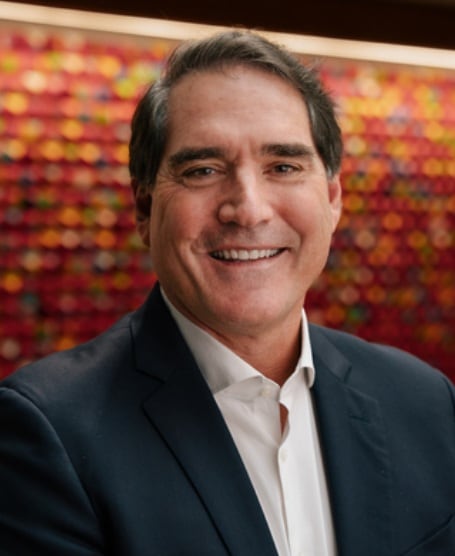
He moved into the position of EVP and COO in January 2025, where he’s responsible for overseeing all the company’s operating units globally.
From 2023-2024, he served as senior vice president and president, international development.
Braun, 57, is an American citizen who was born in California and raised in Brazil.
“I’m honored to take on this new role and have tremendous appreciation for everything James has done to lead the company,” he said, as his appointment was announced last night.
“I will focus on continuing the momentum we’ve built with our system. We’ll work to unlock future growth in partnership with our bottlers. I’m excited about the future of our business and see huge opportunities in a fast-changing global market.”
Coca-Cola’s transformation
British national James Quincey has led the company for nearly a decade.
Coca-Cola now boasts 30 billion-dollar brands: and 10 of these have been added in the last nine years under Quincey’s leadership.
The portfolio now ranges from soda heavyweights like Coca-Cola, Sprite and Fanta, to many others such as bottled waters Dasani, smartwater, vitaminwater and Topo Chico (acquired in 2017).
It acquired up-and-coming sports drink Bodyarmor in 2021, complementing long-standing favorite Powerade.
Meanwhile, its made big moves in tea and coffee: buying coffee chain Costa in 2019, as well as building up other brands like Georgia, Fuze Tea, Gold Peak and Ayataka.
Juice has been another interesting area of innovation for the company that’s been built up over the last decade.
Minute Maid has been exploring boba tea; while Simply houses the company’s first prebiotic soda launch, Simply Pop, which made its debut earlier this year.
In dairy, it’s built up brands like fairlife (acquired in 2020) and AdeS (acquired in 2017).

While M&A activity has decreased since the pandemic, Coca-Cola looks set to return to bolt-on deals in the coming years: searching for start-ups or emerging brands to jumpstart innovation.
Quincey is also credited with reshaping the company’s strategy and operating model to create a more agile set-up: addressing a challenge that’s an issue for all large CPG companies.
And he also steered the company through the difficult years of the COVID-19 pandemic.
Quincey also joined the company in Atlanta in 1996, moving into various leadership roles around the world.
He played a key role in the creation of Coca-Cola Europacific Partners in 2020: the largest independent Coca-Cola bottler in the world.
“I’m stepping down as CEO after a 30-year career with the company, and I have an appreciation of what a privilege it has been to serve this great and enduring business,” said Quincey.
“Henrique is a trusted and highly experienced business partner, and he’s the right leader to steer the company and the Coca-Cola system for future growth and success.”
David Weinberg, Coca-Cola’s lead independent director, said the company is looking forward to a ‘seamless transition’ between the two industry veterans, with Braun already operating at the top level of the company.
